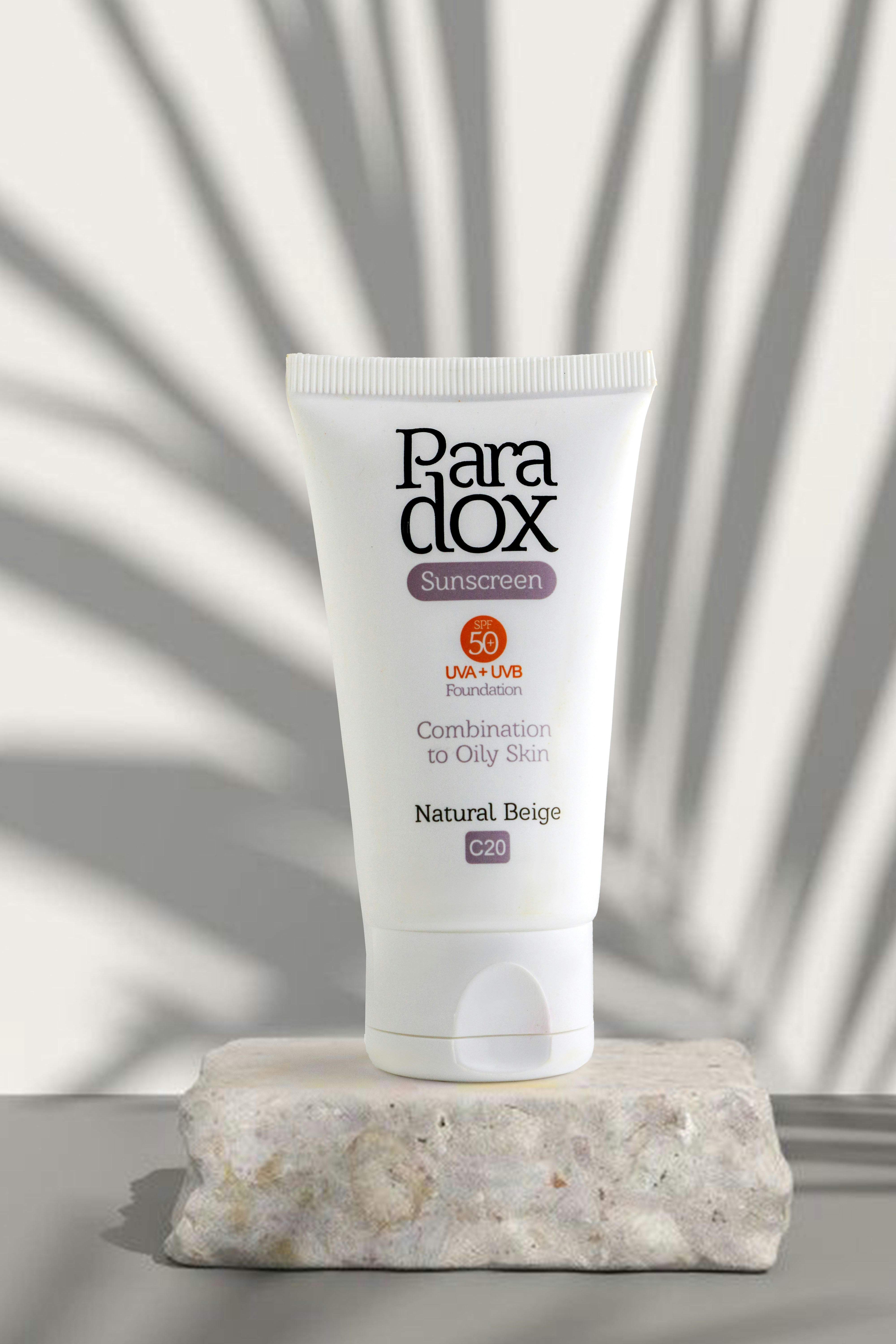
Introduction to the Sunscreen Scandal
The recent sunscreen scandal that has emerged in Australia has stirred significant public concern, bringing to light serious questions about product safety and consumer protection. The controversy began when a series of laboratory tests revealed that certain sunscreen products did not meet established safety standards. Specifically, some of these sunscreens purported to offer protection against harmful ultraviolet (UV) radiation yet failed to deliver adequate efficacy. This revelation has sent waves through both the public and health officials, prompting urgent discussions about the quality and integrity of sunscreen products available in the market.
As a pivotal component of skin protection, sunscreen is critical in shielding individuals from the damaging effects of UV rays, which can lead to skin cancer and premature aging. With the increasing awareness of these risks, Australians have integrated sunscreen into their daily routines. Therefore, it is alarming to discover that some products may not provide the promised level of protection. The implications of these findings extend beyond individual health concerns. They bring into question the reliability of product labeling and the regulatory frameworks that govern sunscreen manufacturing.
Key players in the scandal include prominent manufacturers who have been accused of misrepresentation and inadequacy in their formulations. Furthermore, regulatory bodies responsible for safety oversight are now facing scrutiny regarding their effectiveness in monitoring sunscreen quality. This situation underscores the critical need for transparency and rigorous testing in the skincare industry, with an emphasis on consumer safety. As the situation develops, it becomes increasingly important for consumers to remain informed about the products they use, ensuring that their choices contribute to their overall health and well-being. The unfolding events of this scandal serve as a critical reminder of the constant need for vigilance in personal care product compliance and safety.
What Were the Findings of the Investigation?
The investigation into the Australia sunscreen scandal uncovered troubling evidence regarding the safety and efficacy of several sunscreen products widely available to consumers. Specific brands were identified as being implicated in the investigation, highlighting a disturbing trend in the sunscreen market. Laboratory tests revealed that certain sunscreens contained harmful contaminants, including potentially toxic chemicals that could adversely affect skin health and overall well-being.
Among the significant findings, a subset of products was found to contain excessive levels of benzene, a known carcinogen, raising concerning questions about the manufacturing processes and quality control measures employed by these brands. Additionally, tests revealed that some formulations did not provide the level of sun protection Factor (SPF) they claimed, which could result in users being more susceptible to sunburn and long-term skin damage.
Health experts have expressed alarm over these revelations, emphasizing that consumers rely on sunscreens as a primary defense against harmful UV rays. Dr. Sarah Thompson, a prominent dermatologist, noted that “the implications of such findings extend beyond individual health risks; they erode public trust in products designed for skin protection.” This sentiment was echoed across the healthcare community, where calls for stricter regulatory oversight were intensified.
The investigation’s outcomes threaten to undermine consumer confidence in sunscreen efficacy, an essential item in Australia’s sun-drenched environment. This scandal has not only impacted the brands directly involved but also raised concerns about the entire industry’s commitment to product safety and transparency. As more consumers become aware of the findings, there is a growing demand for comprehensive reform and accountability among sunscreen manufacturers.
Regulatory Responses and Industry Reactions
The recent sunscreen scandal in Australia has prompted significant attention from regulatory agencies tasked with ensuring consumer safety. Following the disturbing revelations regarding certain sunscreen products, the Australian Therapeutic Goods Administration (TGA) has launched an extensive review of the safety and efficacy of sunscreens currently in the market. The TGA’s initiative includes comprehensive testing of numerous formulations, especially those linked to adverse reactions reported by consumers. In conjunction with the Australian Competition and Consumer Commission (ACCC), the agencies are evaluating potential recalls for affected products while also assessing any resulting health implications.
As part of their regulatory measures, both agencies are considering the establishment of stricter guidelines governing the formulation and testing of sunscreen products. This could involve enhanced labelling requirements that inform consumers more effectively about product ingredients, usage, and any safety warnings. Regulatory bodies have indicated that developing these new regulations is a priority to prevent future occurrences of similar issues, reaffirming their commitment to upholding public trust in consumer goods.
The reactions from the sunscreen industry have varied but indicate a significant shift towards greater accountability and transparency. Many major manufacturers have publicly stated their commitment to re-evaluating their product formulations in light of these concerns. In several cases, companies have preemptively withdrawn specific sunscreens from shelves to ensure consumer safety, demonstrating their awareness of ongoing scrutiny. Additionally, manufacturers are beginning to explore partnerships with independent testing laboratories to verify claims regarding the safety and effectiveness of their products. The industry recognizes that rebuilding consumer trust will require both transparency and a commitment to heightened safety standards moving forward.
Consumer Awareness and Future Recommendations
In the wake of the recent controversy surrounding sunscreen products in Australia, it has become increasingly crucial for consumers to adopt a more vigilant approach when selecting sun protection. Being informed can significantly reduce the risk of using ineffective or potentially harmful products.
Firstly, consumers should prioritize purchasing sunscreens that comply with established safety standards and regulations. When examining sunscreen products, it is essential to check for certifications and labels that indicate the product has undergone rigorous testing. Look for products that display reliable certifications, such as those from dermatological associations or governmental health authorities, assuring their safety and efficacy.
Reading labels is another vital step in making informed decisions. Consumers should be aware of the active ingredients listed on sunscreen packaging. Ingredients such as zinc oxide and titanium dioxide are generally considered safe and effective for providing broad-spectrum protection against both UVA and UVB rays. Avoid products with chemical filters known to raise concerns regarding safety, including oxybenzone and octinoxate. Understanding the terminology often used in sun protection can also enhance consumer awareness. Terms like “water-resistant,” “broad-spectrum,” and SPF (sun protection factor) should be thoroughly understood to gauge a product’s effectiveness in protecting against sun damage.
Education on sun safety is of paramount importance in this discourse. Public health campaigns should emphasize that regardless of the recent controversies, active sun protection remains essential in preventing skin cancer and sun damage. People are encouraged to not only choose effective sunscreen products but also engage in holistic sun safety practices, such as seeking shade, wearing protective clothing, and avoiding peak sun hours.
By staying informed and proactive, consumers can better navigate the sunscreen market and ensure their sun health is well-protected amid ongoing industry challenges.