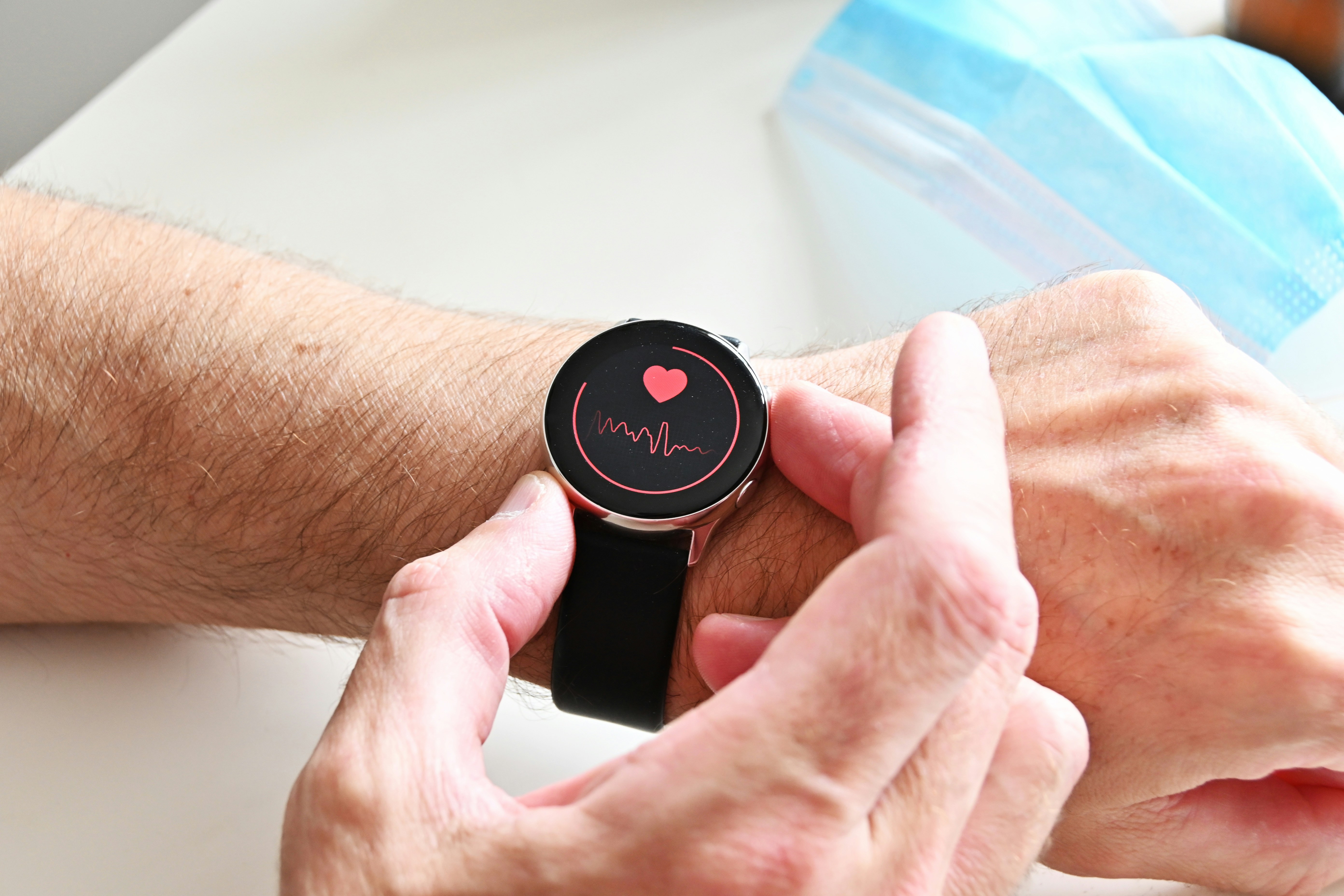
Introduction to Wearable Health Devices and AI
In recent years, wearable health devices have emerged as a significant advancement in personal health management. These devices, which include smartwatches, fitness trackers, and health monitors, provide users with an innovative way to track various physiological parameters such as heart rate, activity levels, and sleep patterns. As the demand for health monitoring increases, the integration of technology into wearables has made them more efficient and user-friendly. Consequently, they play a crucial role in empowering individuals to take charge of their health.
One of the most transformative aspects of wearable health devices is the incorporation of artificial intelligence (AI). By leveraging AI algorithms, these devices can analyze vast amounts of health data in real time, offering users personalized insights that were previously unattainable. For instance, AI can detect patterns in a user’s health metrics, enabling early identification of potential health issues. This functionality is particularly pertinent in the context of chronic disease management, where conditions such as diabetes and cardiovascular problems can be monitored continuously for early warning signs.
The integration of AI significantly enhances the capabilities of wearable devices. These intelligent systems can not only improve accuracy in data collection but also facilitate better user engagement through customized feedback and recommendations. The ability of AI to learn from user behavior allows for more tailored health monitoring experiences. As a result, individuals can receive alerts about changes in their health status, prompting timely interventions that can lead to better overall outcomes.
In today’s healthcare landscape, the relevance of AI-powered wearable devices cannot be overstated. They represent a shift towards proactive health management, allowing individuals to monitor their health in a seamless and intuitive manner. This evolution in health technology sets the foundation for exploring how these devices can further contribute to the early detection of diseases, ultimately improving the quality of healthcare delivery.
How AI Detects Early Signs of Chronic Diseases
Artificial Intelligence (AI) has revolutionized the field of health monitoring by interpreting vast amounts of data collected by wearable devices. These devices, designed for individual use, often track various health parameters, including heart rate, blood glucose levels, physical activity, and sleep patterns. The continuous data collection offers a rich reservoir of information, which AI algorithms analyze to detect subtle changes and trends over time.
One of the primary types of data monitored by wearable devices is heart rate. Variations in heart rate can signal potential cardiovascular issues. Wearable devices utilize sensors to capture these measurements and feed them into machine learning algorithms, which can identify abnormal patterns that could indicate heart disease. Additionally, blood glucose levels are another critical parameter being tracked, particularly in individuals at risk of diabetes. AI algorithms can process these readings to detect gradual increases, allowing for early intervention.
Physical activity and sleep quality are also vital indicators of overall health. Wearables can monitor the duration and intensity of physical activity, as well as patterns in sleep cycles. AI leverages this data to establish baseline healthy behaviors for the user and identifies deviations that might suggest the onset of chronic conditions. For instance, a sudden decrease in activity levels, coupled with poor sleep patterns, may alert the algorithm to the possibility of metabolic disorders.
Through predictive analytics, these algorithms analyze the collected data to spot anomalies that might be overlooked by human observers. By cross-referencing multiple data points, AI can forecast health issues well before they manifest into chronic diseases. This proactive approach allows patients and healthcare providers to take preventive measures, underscoring the transformative potential of AI in early disease detection and health maintenance.
Real-World Applications and Case Studies
AI-powered wearable devices are transforming the landscape of health monitoring by enabling proactive approaches to disease detection and management. Numerous case studies illustrate the effectiveness of these technologies in predicting health issues before they escalate into serious conditions. For instance, a notable application involves patients diagnosed with cardiovascular diseases. Wearable devices equipped with advanced algorithms have successfully monitored heart rates and rhythms, allowing for real-time alerts when abnormal patterns emerge. This early warning system has proven instrumental in facilitating timely medical intervention, thus improving patient outcomes significantly.
Another compelling example is found in diabetes management. Wearable continuous glucose monitors (CGMs) utilize AI technology to analyze glucose levels, providing insights that empower users to make informed lifestyle decisions. Users have reported enhanced control over their blood sugar levels, leading to a reduced risk of complications. Testimonials highlight that many individuals are able to avert urgent medical scenarios, thanks to the predictive analytics offered by these devices. Such transformative results underline the dual benefits of personal health improvement and a diminished strain on healthcare resources.
The impact of AI-powered wearables extends beyond individual users to entire healthcare systems. By facilitating earlier diagnoses, these devices contribute to preventive healthcare strategies that can potentially reduce hospitalization rates and healthcare costs. As exemplified by various case studies, the integration of these technologies in regular health monitoring can lead to fewer emergency interventions, enabling healthcare providers to allocate resources more efficiently. The ongoing development of these AI-driven solutions promises to further revolutionize health monitoring, solidifying their essential role in modern preventive healthcare practices.
Future of Wearable Health Devices and AI in Chronic Disease Management
The future of wearable health devices, particularly those powered by artificial intelligence (AI), holds substantial promise for the field of chronic disease management. As technology continues to advance, we can expect the development of more sophisticated sensors that will enhance the accuracy of health monitoring. These innovations may lead to devices capable of detecting subtle physiological changes indicative of disease onset, allowing for earlier intervention and potentially improving patient outcomes.
Moreover, improved data integration will play a pivotal role in the evolution of wearable technology. By harnessing big data analytics and machine learning algorithms, health systems can gather comprehensive insights from multiple sources, such as electronic health records, historic patient data, and biometric feedback from wearable devices. This integration will facilitate personalized health recommendations, enabling healthcare providers to tailor their interventions based on real-time data for individual patients. This personalization is expected to enhance patient engagement and compliance significantly, leading to better chronic disease management.
However, the wider adoption of AI-powered wearable health devices also brings ethical concerns that must be addressed. Issues related to privacy, data security, and patient autonomy are paramount in ensuring that users can trust these technologies. To foster this trust, it is imperative that regulatory frameworks evolve alongside technological advancements, establishing clear guidelines and protections for patient data. Additionally, transparency about how data is used and the potential risks involved will be vital in alleviating concerns among consumers.
In conclusion, the evolution of wearable health devices powered by AI represents a significant leap towards enhancing chronic disease management. By addressing ethical concerns and focusing on technological advancements, these devices can transform healthcare delivery, leading to improved health outcomes and greater patient empowerment.