An Overview of Microchip Technology and IoT
Microchip technology refers to the advanced use of semiconductor devices, widely known as microchips, which serve as the foundational components in modern electronics. These minute circuits are adept at performing various functions, such as processing data, controlling operations, and facilitating communication between devices. In the context of the Internet of Things (IoT), microchips play an integral role by enabling connectivity and data exchange among a multitude of smart devices, ranging from household appliances to industrial machinery.
The concept of IoT has evolved significantly over the last decade, transitioning from mere connectivity to a sophisticated network of devices working in unison. By 2025, we anticipate a dramatic expansion in the IoT ecosystem, propelled by advancements in microchip technology. These developments allow for greater computational power in diminutive silicon forms, enabling unprecedented levels of interaction and automation in daily life. The proliferation of smart devices, which can communicate with each other through the cloud, is transforming the way people engage with technology.
Moreover, the increasing demand for smart devices can be attributed to their ability to enhance efficiency, convenience, and personalization for users. From smart home systems that optimize energy consumption to wearables that monitor individual health metrics, the applications of IoT are far-reaching. This trend underscores the necessity for robust microchips capable of supporting diverse functionalities while maintaining low power consumption and high reliability. As we move towards 2025, the implications of this technological advancement are vast, promising a future characterized by interconnected environments where microchip technology lies at the heart of innovation.
Advancements in Microchip Design and Manufacturing
The evolution of microchip technology has been pivotal in enhancing the functionality and effectiveness of Internet of Things (IoT) devices. Recent advancements in microchip design and manufacturing techniques are reshaping the landscape of IoT, making it possible for devices to perform complex tasks while maintaining energy efficiency. One of the foremost developments in this area is the exploration of innovative semiconductor materials. Traditional silicon-based chips are being supplemented with advanced materials such as gallium nitride and graphene, which facilitate higher performance at lower energy costs. These materials not only improve thermal conductivity but also increase the operational frequency of microchips, leading to faster processing speeds.
Another significant trend is the miniaturization of microchip components. As IoT devices become increasingly compact, the size of microchips must also decrease without compromising performance. This challenge has led to the adoption of advanced photolithography techniques, enabling manufacturers to create smaller and more intricate designs on silicon wafers. The process of reducing chip size results in myriad benefits, including lighter devices, improved integration capabilities, and lower production costs. Additionally, smaller microchips allow for better space management within IoT devices, which is critical for the implementation of sensors and communication modules.
Furthermore, advancements in power consumption technologies stand at the forefront of microchip manufacturing. By implementing energy-efficient designs, manufacturers can significantly reduce the power requirements of IoT devices. This is achieved through smart sleep modes and dynamic voltage scaling, allowing devices to conserve energy during periods of inactivity. Ultimately, these technological improvements not only enhance the operational lifespan of devices but also contribute to the sustainability efforts in the tech industry by lowering overall energy consumption. The combination of enhanced processing power, reduced size, and improved energy efficiency positions microchips as integral components in the continuous evolution of IoT ecosystems.
Impact of Microchips on IoT Device Performance and Security
Microchips play a crucial role in enhancing the performance and security of Internet of Things (IoT) devices. By integrating advanced processing capabilities, microchips enable IoT devices to perform real-time data processing efficiently. This allows for instantaneous decision-making and responsiveness, which is vital in various applications, from smart homes to industrial automation. The seamless communication facilitated by microchips allows IoT devices to interact with each other and with centralized systems, thereby improving overall operational efficiency and user experience.
Moreover, the advancement of microchip technology has enabled devices to handle increasingly complex tasks while consuming less power. This is particularly important in the context of IoT, where devices often operate on battery power and are deployed in remote areas where electricity supply is limited. Efficient power management and processing capabilities make IoT devices more sustainable and feasible for long-term use. Enhanced performance directly translates to higher functionality and reliability, which are critical for deploying IoT in critical sectors like healthcare, transportation, and smart cities.
However, with the proliferation of IoT devices, security challenges have also intensified. Cyber threats targeting these devices have the potential to compromise vast networks, making it imperative for manufacturers to prioritize security. Advanced microchip technologies offer solutions that enhance the security posture of IoT devices. Features such as hardware-based encryption, secure boot mechanisms, and trusted execution environments help mitigate attacks by ensuring that only authenticated software can run on the device. These technologies not only protect sensitive data during transmission but also secure the devices against unauthorized access and firmware tampering, thus strengthening the resilience of IoT networks against cyber threats.
Future Trends and Predictions for Microchips in IoT
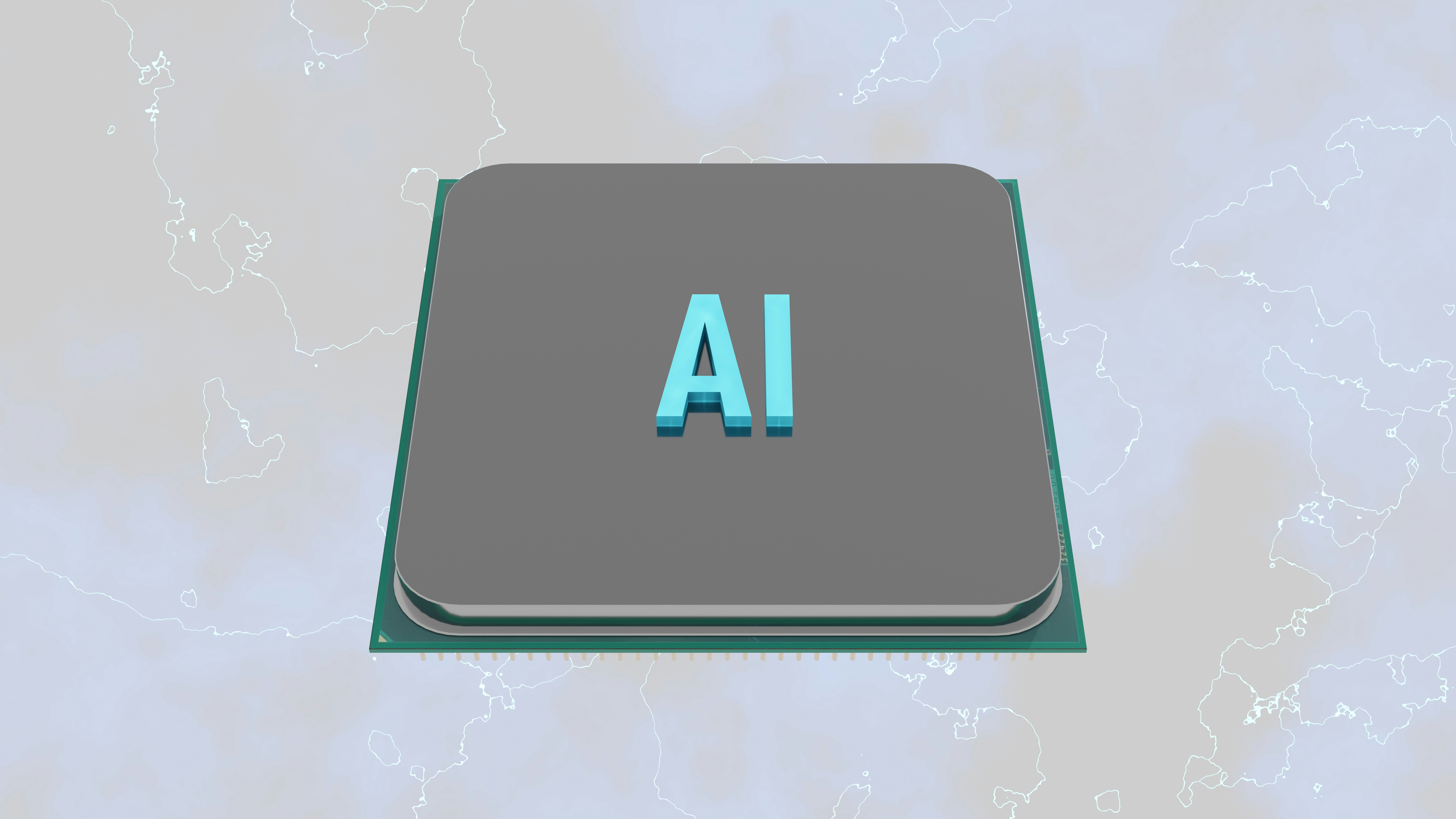
As we look towards the future of microchip technology in IoT devices, several trends are emerging that are poised to reshape the landscape of connectivity and interactivity. The integration of artificial intelligence into microchips is one of the most significant advancements anticipated in the coming years. AI-enabled microchips will empower IoT devices to process data locally, enhancing decision-making capabilities and reducing latency by minimizing dependence on cloud computing. This local processing will streamline operations in various sectors, from smart homes, where intuitive automation can adapt to user preferences, to healthcare, where real-time monitoring can lead to quicker responses in critical situations.
Furthermore, developments in edge computing are expected to complement AI-integrated microchips by decentralizing data processing. This will lead to improved performance in IoT networks, allowing devices to operate efficiently in environments with limited connectivity. By processing data closer to where it is generated, edge computing will facilitate faster response times and significantly enhance the resilience of IoT systems, particularly in applications such as transportation and industrial settings, where decision-making needs to be swift and reliable.
Another critical trend is the enhancement of connectivity through advancements in 5G technology. With faster data transfer speeds and lower latency, 5G networks will enable a broader array of IoT devices to communicate seamlessly. This will usher in a new era for smart cities, where traffic systems, public safety measures, and environmental monitoring can be integrated and optimized for efficiency and effectiveness.
In conclusion, the trajectory of microchip technology within IoT presents exciting possibilities. The collaboration of AI integration, edge computing, and robust 5G connectivity will not only enhance the performance of devices but also create a foundation for a fully interconnected world. As we transition beyond 2025, these advancements will profoundly influence diverse fields, including smart homes, healthcare, and industrial applications, leading to transformative shifts in how we interact with technology and one another.