Understanding Microchips: The Foundation of Modern Computing
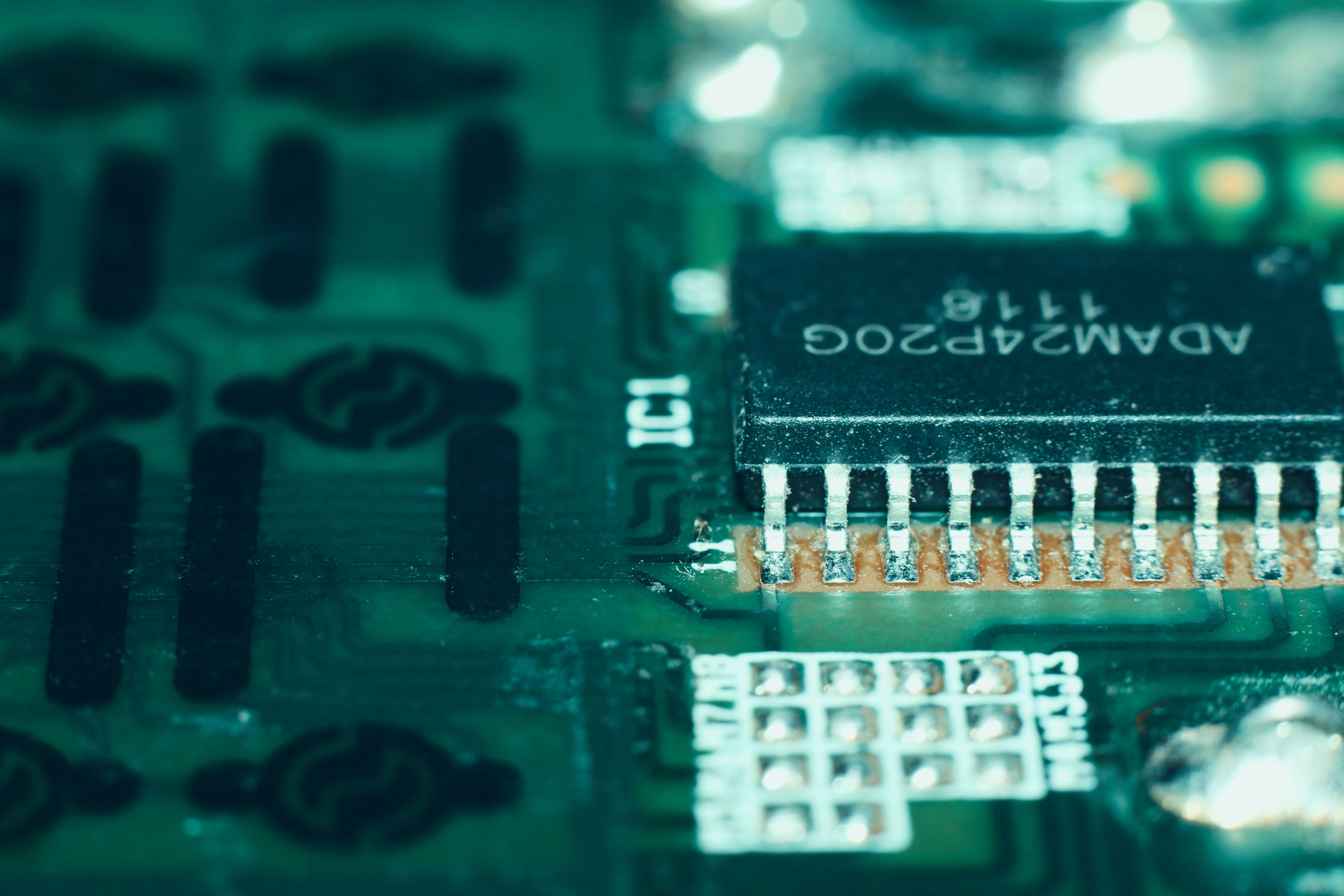
Microchips, often referred to as integrated circuits or simply chips, are fundamental components of contemporary computing systems. These tiny processors serve as the brain of devices, processing data and executing commands at remarkable speeds. The architecture of microchips is meticulously designed to allow an immense number of transistors, sometimes numbering in the billions, to function simultaneously. This parallel processing capability is crucial for performing complex calculations swiftly, enabling everything from basic computational tasks to advanced artificial intelligence applications.
At the heart of a microchip’s design are several key elements. The central processing unit (CPU) serves as the primary component responsible for executing instructions from programs. It interprets and processes data, performing arithmetic and logical operations, thus enabling the functioning of computer systems. Another significant type of microchip is the graphics processing unit (GPU), which is optimized for handling large volumes of data in parallel. This capability makes GPUs particularly adept at rendering images and processing data for machine learning tasks, which are essential in developing AI algorithms.
Additionally, specialized AI chips, often referred to as neuromorphic chips or tensor processing units (TPUs), are designed specifically to cater to artificial intelligence workloads. These chips enhance the efficiency of AI computations by mimicking the way human brains work, which involves processing information in a networked manner. Each type of microchip has its unique architecture and function, which collectively contributes to the efficacy of modern computing systems.
In conclusion, microchips are the backbone of modern computing, enabling efficient data processing and executing commands across various applications. Understanding these intricate processors and their diverse forms is essential for grasping how they fuel advancements in artificial intelligence.
The Symbiosis of Microchips and Artificial Intelligence
In the realm of artificial intelligence (AI), microchips serve an indispensable role, functioning as the core processing unit that facilitates complex algorithms and effective data processing. These tiny processors are integral to the functionality of AI systems, enabling rapid computations essential for interpreting vast amounts of data. The interplay between microchips and AI encompasses both hardware and software dimensions, where advancements in microchip technology have directly fueled innovations within AI applications, including machine learning and deep learning.
Processing speed and efficiency are paramount in the performance of AI systems. Modern microchips are designed with multiple cores and specialized architectures, dedicated solely to executing AI-based tasks. For example, graphics processing units (GPUs) and tensor processing units (TPUs) are designed to handle the parallel processing required for deep learning algorithms, significantly enhancing the speed at which AI systems can learn and evolve. This processing power allows machines to perform tasks that were previously thought to be exclusive to human intelligence, such as natural language processing, image recognition, and even strategic decision-making.
Real-world applications of AI powered by advanced microchips are numerous and diverse. In healthcare, machine learning algorithms analyze patient data to assist in diagnosing diseases more accurately and leading to timely treatments. In the automotive industry, microchips facilitate the development of autonomous vehicles, which rely on AI to interpret real-time data from sensors, allowing for safe navigation and decision-making. Furthermore, AI-powered recommendation systems in platforms like Netflix and Amazon utilize microchips that process user data to generate personalized content suggestions, improving user engagement.
Thus, the symbiotic relationship between microchips and artificial intelligence underscores the significance of these tiny processors in enabling smarter, more efficient machines across various industries and applications.
Advancements in Microchip Technology and Their Impact on AI
The realm of microchip technology has seen significant advancements that are fundamentally altering the capabilities of artificial intelligence (AI). One of the most notable developments is the miniaturization of microchips. As these processors become smaller, they allow for the integration of even more transistors per unit area. This increase in transistor density directly correlates with enhanced processing power, enabling AI systems to execute complex algorithms more efficiently. Such advancements are critical, particularly as AI applications require real-time processing and decision-making capabilities.
Moreover, innovations like quantum computing are emerging as game changers in the field. Quantum microchips leverage the principles of quantum mechanics to perform computations at speeds that far exceed traditional chip capabilities. This is particularly impactful for AI applications that require extensive data processing, such as machine learning models trained on large datasets. Additionally, neuromorphic chips, designed to mimic the human brain’s neural structure, represent another frontier in microchip technology. These chips are adept at performing tasks that involve pattern recognition and sensory processing, making them invaluable in various AI applications, from robotics to autonomous vehicles.
Specialized AI processors, like Graphics Processing Units (GPUs) and Tensor Processing Units (TPUs), are also at the forefront of this evolution. They have been optimized for AI workloads, allowing for accelerated training and deployment of machine learning models. The ramifications of such specialized processors are far-reaching across multiple sectors. In healthcare, for instance, AI-driven diagnostics can analyze medical images with unprecedented precision, improving patient outcomes. In finance, microchips enhance algorithmic trading systems by enabling faster response to market changes. Lastly, in autonomous systems, the sophistication of AI driven by advanced microchip technology is paving the way for safer and more reliable self-driving vehicles.
Challenges and Future Trends in Microchips for AI
The integration of advanced microchips into artificial intelligence technologies presents several significant challenges. One major issue is heat management, which arises as processors continually tackle increasingly complex tasks. As AI applications demand higher computational power, the heat generated by microchips grows, potentially leading to performance throttling or system failures. Effective thermal management solutions, including enhanced cooling techniques, are essential to maintaining optimal microchip operation and preventing overheating.
Another critical challenge is the rising fabrication costs associated with advanced microchip production. The development and manufacturing of increasingly sophisticated chips necessitate substantial investments in cutting-edge technologies and facilities. This financial burden may pose barriers for smaller companies and startups, thus slowing the pace of innovation within the AI sector. As demand for microchips continues to rise, addressing these costs will be pivotal to ensuring equitable access to the necessary technology for diverse organizations.
Additionally, the limits of Moore’s Law present another challenge. Traditionally, Moore’s Law has driven the semiconductor industry with the expectation that transistor density would double approximately every two years, leading to enhanced performance and efficiency. However, as transistors approach the atomic scale, the physical limits of traditional silicon technology become increasingly evident. This slowdown in advancements necessitates the exploration of alternative materials and architectures that can sustain growth in microchip capabilities.
Looking forward, future trends in microchip development are expected to include the rise of hybrid systems that integrate various types of processing units. Such architectures could combine traditional CPUs with specialized processors like GPUs and tensor processing units (TPUs) to optimize AI performance. These hybrid approaches hold the potential to significantly enhance computational efficiency while addressing specific tasks within AI applications.
In conclusion, while challenges such as heat management, fabrication costs, and technological limits must be addressed, the future of microchip technology holds promising advancements that are vital for the continued growth of artificial intelligence.